Posts

The Ultimate Guide to Implementing CBS-X in Your Business

Image
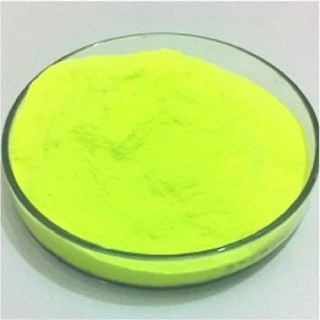
  Welcome to our in-depth guide, designed to show companies how to use CBS-X, a top optical brightener for paper and textiles, to improve the brightness and whiteness of their products. This piece aims to simplify the technical while capturing the essence of innovative brightening agents like OB / OB-1 and  Tinolux BMC , ensuring your business can confidently navigate the realm of optical brighteners.   Introduction to Optical Brightening Agents Optical brightening agents (OBAs) are chemical compounds used extensively across industries to enhance the whiteness and brightness of products such as textiles and paper. These agents work by absorbing ultraviolet (UV) light and re-emitting it as visible blue light, compensating for yellowing and creating a perception of dazzling whiteness. Among the various OBAs available, CBS-X stands out for its efficiency, particularly in applications requiring high levels of brightness and whiteness, such as in the detergent industry fo...

Exploring the Environmental Impact of Acid Dyes Manufacturing in Ahmedabad

Image
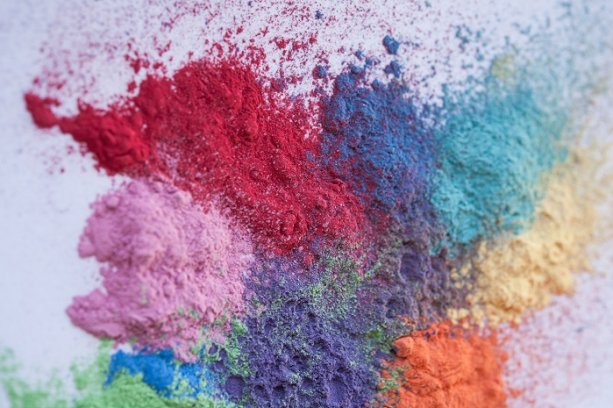
  The expansion of the textile industry has sparked a surge in the demand for dyes, specifically acid dyes, which serve as essential vessels for infusing fabrics with vivid and lively colors. However, amid this colorful spectrum lies a pressing concern: the environmental footprint left behind by acid dye manufacturers in Ahmedabad. In this blog, we delve into the ecological impact of acid dye manufacturing, shedding light on the complexities and exploring potential solutions. Understanding the Environmental Impact: Acid dye manufacture includes complex chemical procedures that frequently produce wastewater with significant quantities of contaminants. The improper disposal of these dangerous materials might cause them to seep into water sources, jeopardizing the delicate ecosystems beneath the surface and possibly affecting human health. Furthermore, the issue of greenhouse gas emissions and their impact on our changing climate is made more urgent by the high energy requirements of ...

Understanding the Differences and Benefits Of Solvent Dyes vs. Pigments

Two of the most common coloring agents used in various industrial processes are Dyes and pigments. Each has its own unique characteristics and applications, making it suitable for a unique purpose. In this blog, we’ll explore the differences and benefits of solvent dyes and pigments, and shed light on specific features that make them important for specific applications. Solvent Dyes: Solvent dyes are organic compounds that dissolve in solvents, coloring the solution. These chemicals are highly versatile and can be used extensively in a variety of industries, including plastics, inks, coatings, and textiles. The most distinctive feature of pigments is their ability to produce bright, vivid colors. This clarity makes them ideal for applications where clear color is important. If you are in search of high-quality solvent dyes Manufacturers, Then Meghmaniglobal stands out as the leading Solvent dye manufacturer in Ahmedabad which is known for its commitment to producing top-notch product...

Exploring the Global Impact of Tinolux BMC Optical Brightener in Various Industries

Image
Tinolux BMC Optical Brightener has been a transformative force in ever-changing technological innovation, transforming gloss and white across industries This blog explores the global impact of Tinolux BMC Optical Brightener , highlighting and highlighting how it affects industries and establishes its important function in improving visual qualities. Optical Brighteners: A Brief Overview Optical brighteners, often referred to as fluorescent whitening agents, are compounds that absorb ultraviolet light and re-emit it as visible light. This unique property imparts a brilliant white appearance to materials, making them appear brighter and more vibrant. Among the plethora of optical brighteners available, Tinolux BMC stands out as a leader in delivering exceptional results across different applications. Tinolux BMC Optical Brightener in Textile Industry: The textile industry has witnessed a significant transformation with the integration of Tinolux BMC Optical Brightener. This powerful com...

Cultivating Tomorrow: Trends Shaping the Future of Crop Protection Chemicals Manufacturing

Image
In the ever-evolving landscape of agriculture, the role of crop protection chemicals manufacturers has become increasingly crucial. As we stand at the crossroads of technological advancements, environmental concerns, and global shifts, this blog delves into the trends that are shaping the future of the crop protection chemicals manufacturing industry. 1. Digital Agriculture and Precision Farming The integration of technology into agriculture is ushering in a new era. Explore how crop protection chemicals manufacturers are leveraging digital tools and precision farming techniques to optimize the use of their products, ensuring efficiency and reduced environmental impact. 2. Biologicals and Sustainable Formulations In response to the growing demand for sustainable practices, manufacturers are investing heavily in biologicals and environmentally friendly formulations. Uncover the innovative approaches that aim to protect crops without compromising ecological balance. 3. Smart Crop Protec...

Building a Circular Economy: Recycling and Upcycling in Dyes and Chemicals Manufacturing

Image
In an era where sustainability takes center stage, industries worldwide are reevaluating their processes to align with eco-friendly practices. The dyes and chemicals manufacturing sector, often scrutinized for its environmental impact, is undergoing a transformation towards a circular economy. This shift involves embracing recycling and upcycling methodologies, and key players like Meghmani are leading the charge. The Need for Change The traditional linear economy, characterized by a 'take, make, dispose' model, poses significant environmental challenges. Dyes and chemicals manufacturing , integral to various industries, is no exception. The demand for vibrant colors and innovative chemicals has led to increased production, resulting in waste generation and environmental pollution. Recycling: A Sustainable Solution To counteract these negative effects, the industry is increasingly turning towards recycling. By reclaiming and reprocessing waste materials, manufacturers reduce th...

Dyes Producers and Sustainable Fashion: Pioneering a Greener Color Palette

Image
  Because of rising environmental consciousness and the demand for more ethical business practices, the fashion industry has undergone a fundamental transformation in recent years that has shifted toward sustainability. The involvement of dye makers in defining a greener and more sustainable colour palette for the fashion sector is an important component of this shift. Dyeing, which gives clothing its vivid colours, has frequently been linked to chemical pollution and safety risks. However, a more responsible and eco-friendly method of colouring materials is now becoming possible thanks to the partnership between dye manufacturers and the fashion industry. The Dark Side of Traditional Dyeing The environmental impact of conventional dyeing techniques has long been a source of criticism. Conventional synthetic dyes may employ dangerous chemicals, use a lot of water, and discharge toxic wastes into rivers and oceans. Waterbody pollution, soil degradation, and health concerns for worke...